

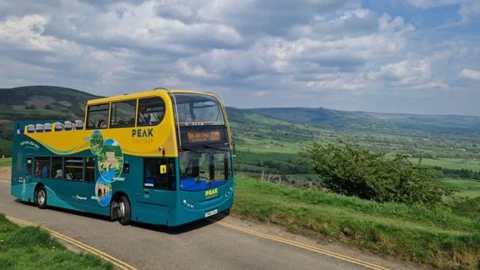
Plans to transform public transport in the Peak District have been given the go-ahead, with a £6 million pilot scheme set to create a more reliable, joined-up network across the Hope Valley.
The project aims to introduce a Swiss-style system, designed to better connect buses and trains with regular, clock-face timetables – making travel easier, quicker and more dependable for passengers.
Backed by government funding through the East Midlands Combined County Authority, the scheme is expected to be fully operational by summer 2027.
Key features will include simpler ticketing that works across multiple operators, improved connections between services, and modest infrastructure upgrades such as better bus stops and pedestrian access.
The focus will be on improving existing routes rather than creating entirely new ones, with buses planned to run every 20 minutes along key corridors including Castleton, Hope, Bamford, Hathersage and Eyam.
Currently, services in the area have been criticised for being infrequent and poorly coordinated with train times. The new system aims to address this by ensuring buses and trains align more effectively, reducing waiting times and encouraging more people to use public transport.
The initiative has been developed by volunteers at Hope Valley Climate Action and could become a model for rural transport across the UK if successful.
Transport Secretary Heidi Alexander said the goal is to make travelling by public transport in the Peak District as simple and convenient as using a car.
Local leaders have broadly welcomed the plans, highlighting the potential to tackle congestion and improve connectivity, although some have stressed the importance of ensuring value for money and maintaining choice for those who rely on private vehicles.
If successful, the scheme could pave the way for similar improvements in rural communities across the country.