
Report by Jon Cooper – Local Democracy Reporter
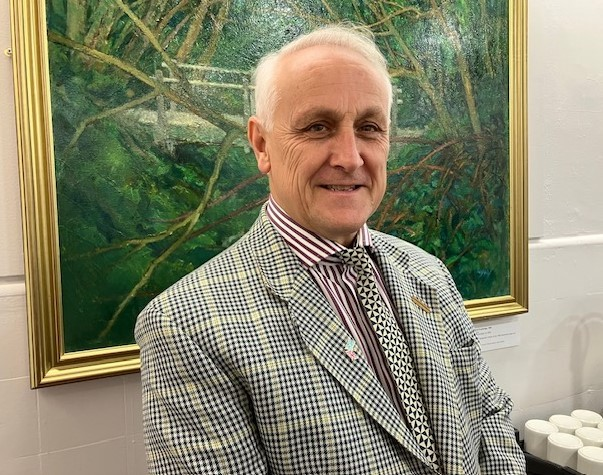
Reform UK’s Derbyshire County Council Leader Alan Graves has hit back at a Labour MP who has claimed that if Reform cannot deliver on a number of key areas after a £160.6m Government funding boost ‘they can only blame themselves’.
Derbyshire Dales Labour MP John Whitby has claimed the recently announced Local Government funding settlement from Central Government under a new system gives the county council more money to spend on Special Educational Needs and Disabilities, keeping care homes open, fixing roads and potholes, installing grit bins, reviving high streets and protecting libraries.
But Cllr Graves claims the latest announcement billed as a radical overhaul of local authority funding is a ‘redistribution exercise, not a growth plan’ with money being moved away from rural counties like Derbyshire and redistributed to large cities and urban authority tiers while the county council continues to face a rising demand for Adult Social Care with higher rural area costs and unresolved SEND pressures.
Cllr Graves said: “This settlement is being sold as ‘fair funding’. But in truth, it is a redistribution exercise, not a growth plan.
“It pushes responsibility for difficult decisions onto councils, forces council tax rises, and leaves counties structurally disadvantaged.
“Derbyshire is being told to charge residents more, deliver less, and accept a system that favours cities over counties.
“That is not levelling up. That is levelling down rural England.”
The Labour Government has claimed that councils across the East Midlands will receive a huge boost to fund vital local services after it unveiled what it regards as a radical overhaul of how Local Government is funded.
The funding is part of the first multi-year funding settlement in over a decade which should allow councils to plan ahead after many criticised previous short-term allocations that made financial planning difficult.
Labour claims that by the end of this multi-year settlement, councils across the country will see in total an increase of over 23 per cent in their core spending power compared to 2024-25 to pay for services including bin collections, housing, and children’s services.
However, Cllr Graves described the Government’s proposed funding settlement for local councils covering the years 2026 to 2029 as the biggest shake-up of council funding in a quarter of a century and he argues that money is being moved away from counties like Derbyshire and redirected towards large cities and urban authorities and counties like Derbyshire come out worse off.
Cllr Graves argues that around three-quarters of all new funding comes not from Government, but from council tax rises.
He said: “If councils do not increase council tax close to the maximum allowed, budgets actually shrink in real terms.
“So when residents see council tax going up year after year, let us be clear: That is not local choice — it is Central Government design.
“So while Derbyshire is expected to cope with rising demand, inflation, and ageing populations, we are being given less support than cities facing similar pressures.”
Cllr Graves also believes business growth is being penalised because he says councils have been encouraged to grow their local economies, yet under this settlement business rates are reset nationally, local growth is stripped out and councils lose any benefit because any success is redistributed elsewhere and no longer rewarded.
The County Council Leader is also concerned that some councils will lose protective funding floors and recovery grants after 2028-29 which could see funding drop with very little warning which he claims means Derbyshire, which is not strongly protected by these measures, faces more uncertainty, not less.
Cllr Graves said: “This settlement prioritises urban deprivation over rural need, removes ‘remoteness’ from most funding formulas, underplays the real cost of delivering services across large rural areas.
“So while funding may rise slightly on paper, it is below the national average, and below inflation unless council tax rises year after year.
“Adult social care is our biggest risk. Demand is rising rapidly, costs are higher in rural areas and funding is not keeping pace. That means tighter eligibility, reduced care packages, and more pressure on families and carers.
“Children’s services are also under strain. SEND pressures remain unresolved, early help is squeezed, and councils are pushed towards costly crisis interventions instead of prevention.
“Beyond that, we will see pressure on roads and potholes and libraries. These are not luxuries — they are the everyday services people rely on.”
Mr Whitby has claimed that Labour is ending Tory austerity and providing a 22per cent increase in funding.
He stated: “This is more money to spend on fixing the broken SEND system, keeping care homes open, fixing roads, filling in potholes, installing grit bins, reviving our high streets and protecting our libraries.
“Labour is giving the council the funding needed to renew our communities, so if Reform still can’t deliver, they can only blame themselves.”
County Council Cabinet Member for Council Efficiency, Cllr John Lawson, has said the authority is studying the details of the settlement and what it means for Derbyshire and there are technical adjustments to take into account that will need to be assessed in terms of their effect with details to be published in a report for a Cabinet meeting on January 9.
The Labour Government claims city councils are to see an increase of up to 47per cent on current settlements with up to 30per cent for county councils to deliver vital services as part of the roll-out.
It has stated that Derby City Council will receive £129.5m in additional funding by the end of this Parliament in 2028/29 amounting to an increase of 47per cent on their current settlement and it says Derbyshire County Council will see an extra £160.6m in funding – a rise of 22per cent.
The Government says all councils will be protected financially during this change, with the change to new funding amounts being phased in gradually to keep services running smoothly for residents.
Secretary of State for Housing, Communities and Local Government, Steve Reed, said: “This is a chance to turn the page on a decade of cuts, and for local leaders to invest in getting back what has been lost – to bring back libraries, youth services, clean streets, and community hubs.
“Today we’re making sure every community has the funding they need to succeed.”
The Government says all councils must still manage their budgets responsibly and council tax rises will be capped at three per cent per year with an extra two per cent allowed for adult social care and it will be entirely up to local leaders to raise council tax.
It explained that in exceptional cases, councils can apply to raise taxes above this limit – but only if their residents don’t already pay more than average.
The Government claims it is building a National Care Service so people get better quality care, more choice and control over their support and ministers have confirmed around £4.6 billion extra is being made available for Adult Social Care by 2028-29 including £500 million to improve care workers’ pay.
It also claims it is rolling out the biggest transformation of children’s social care in a generation backed by a £2.4bn investment over the multi-year settlement.
The latest Local Government settlement announcement also includes other major changes which the Government claims will make the system work better for councils and residents.
These include fairer housing incentives which will allow councils to keep all additional council tax from new homes to encourage local growth and home ownership, and a simplified system cutting red tape by streamlining 36 funding streams worth more than £56bn over three years and freeing up councils to focus on residents’ priorities.
Minister of State for Local Government and Homelessness, Alison McGovern, said: “Deprivation doesn’t happen by accident – it’s the result of years of broken systems and wrong priorities. This settlement tackles that head-on by directing funding where it’s needed most.
“By fixing the link between funding and deprivation, we’re giving local areas the tools to create opportunities, support families, and rebuild the services that hold communities together. This is how we deliver a fairer Britain where everyone has the chance to succeed.”
Derbyshire County Council Leader, Councillor Alan Graves, Taken By Ldr Jon Cooper.